

It’s Not The Size. It’s What You Do With It.
Interior design strategies for small apartments, first home buyers and inner-city living.
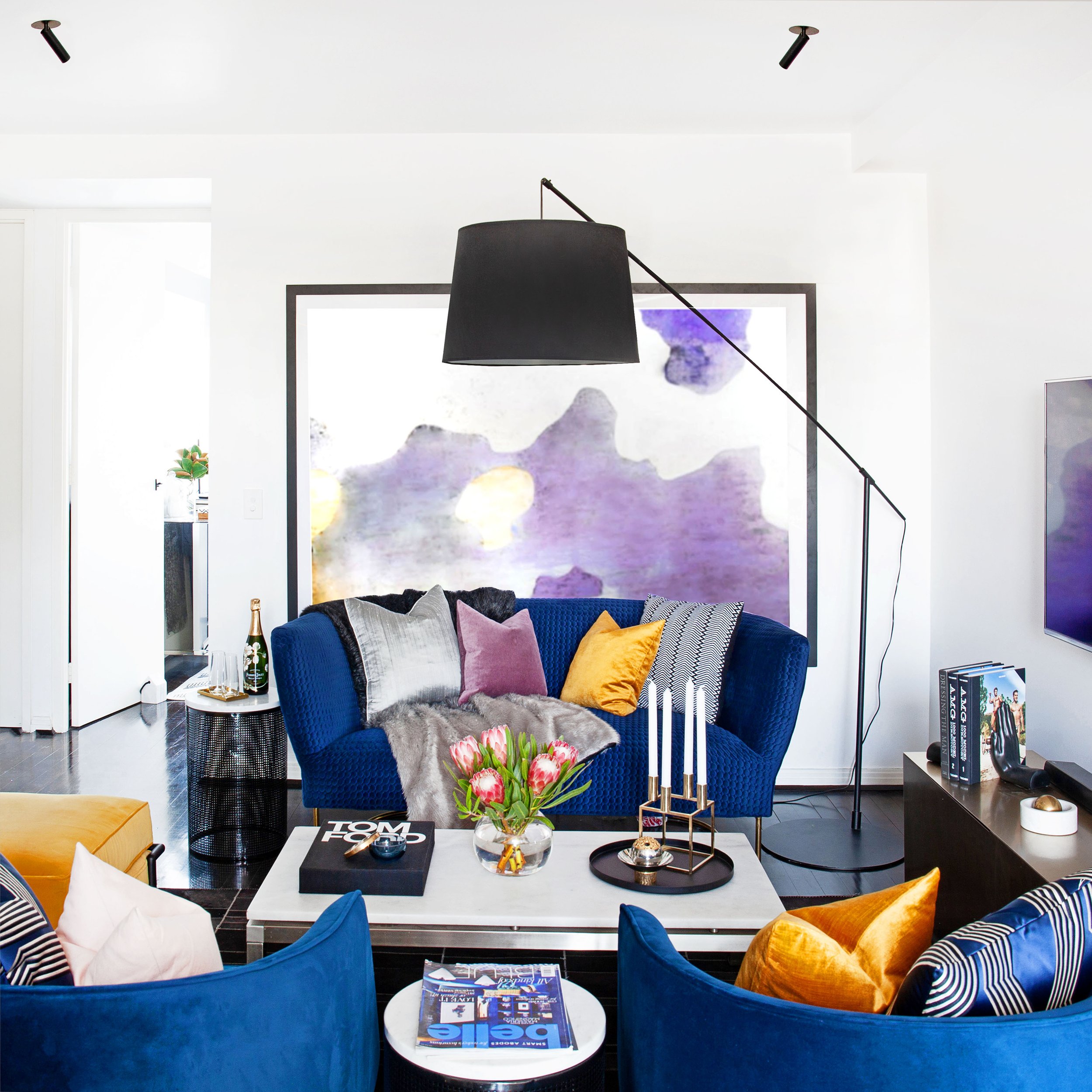
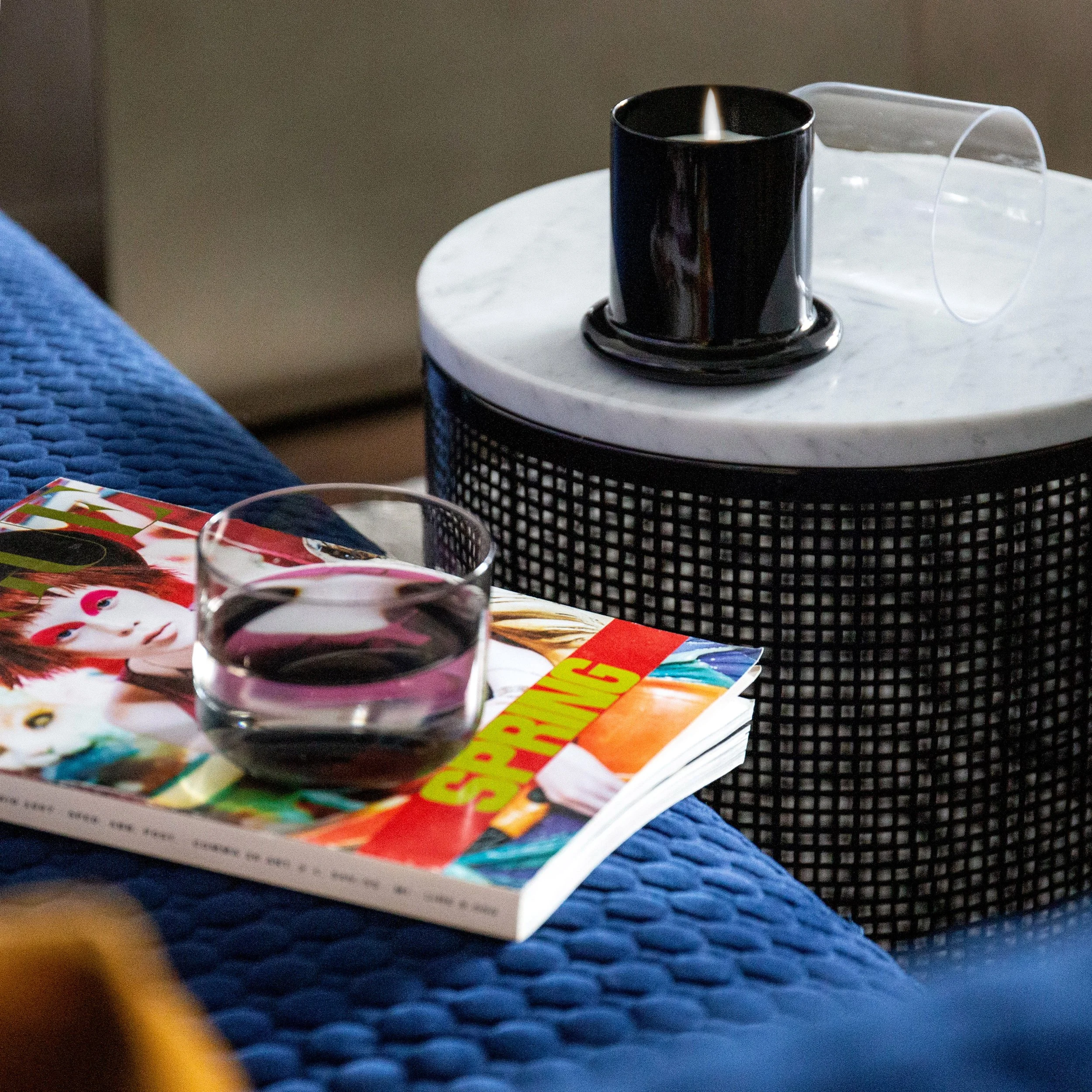
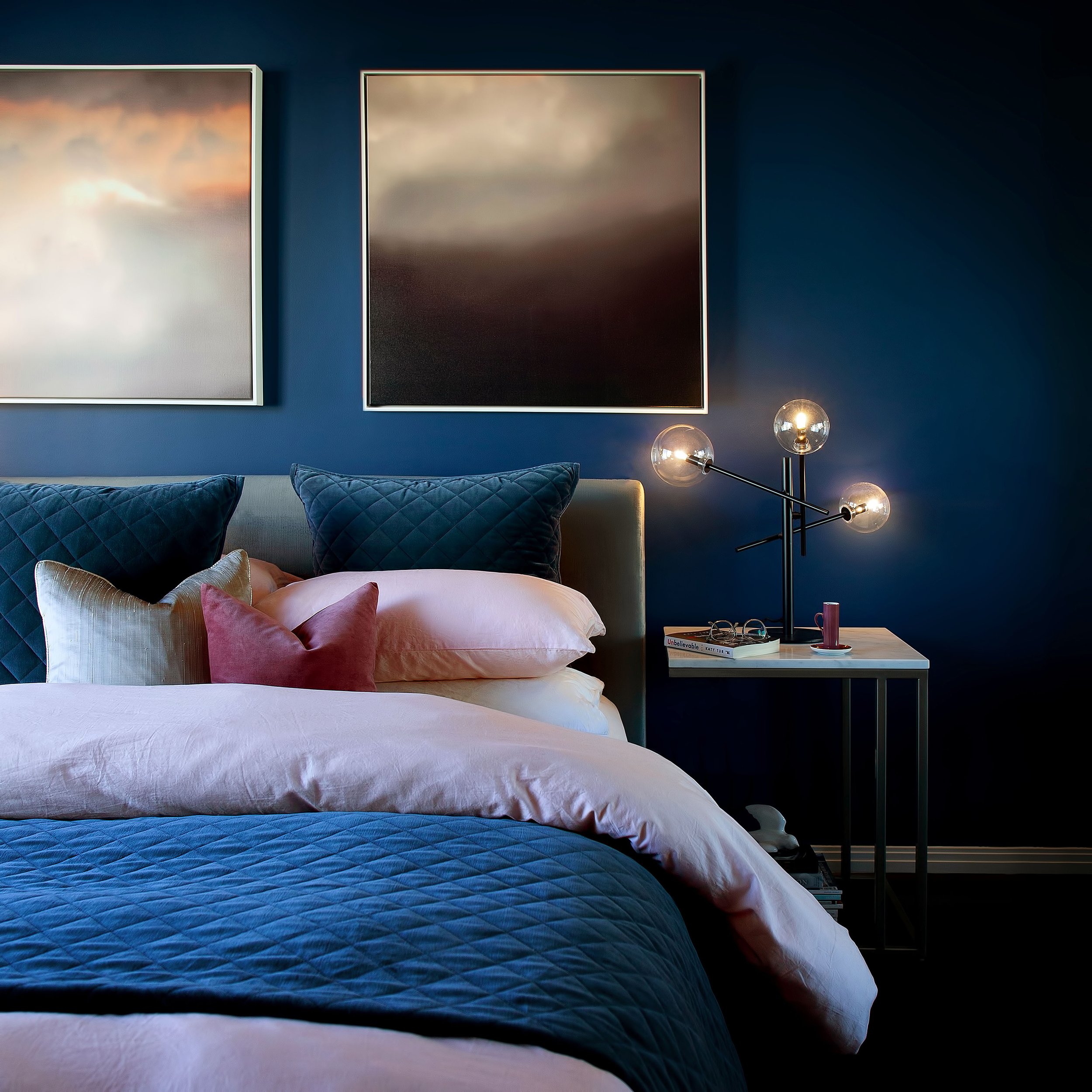
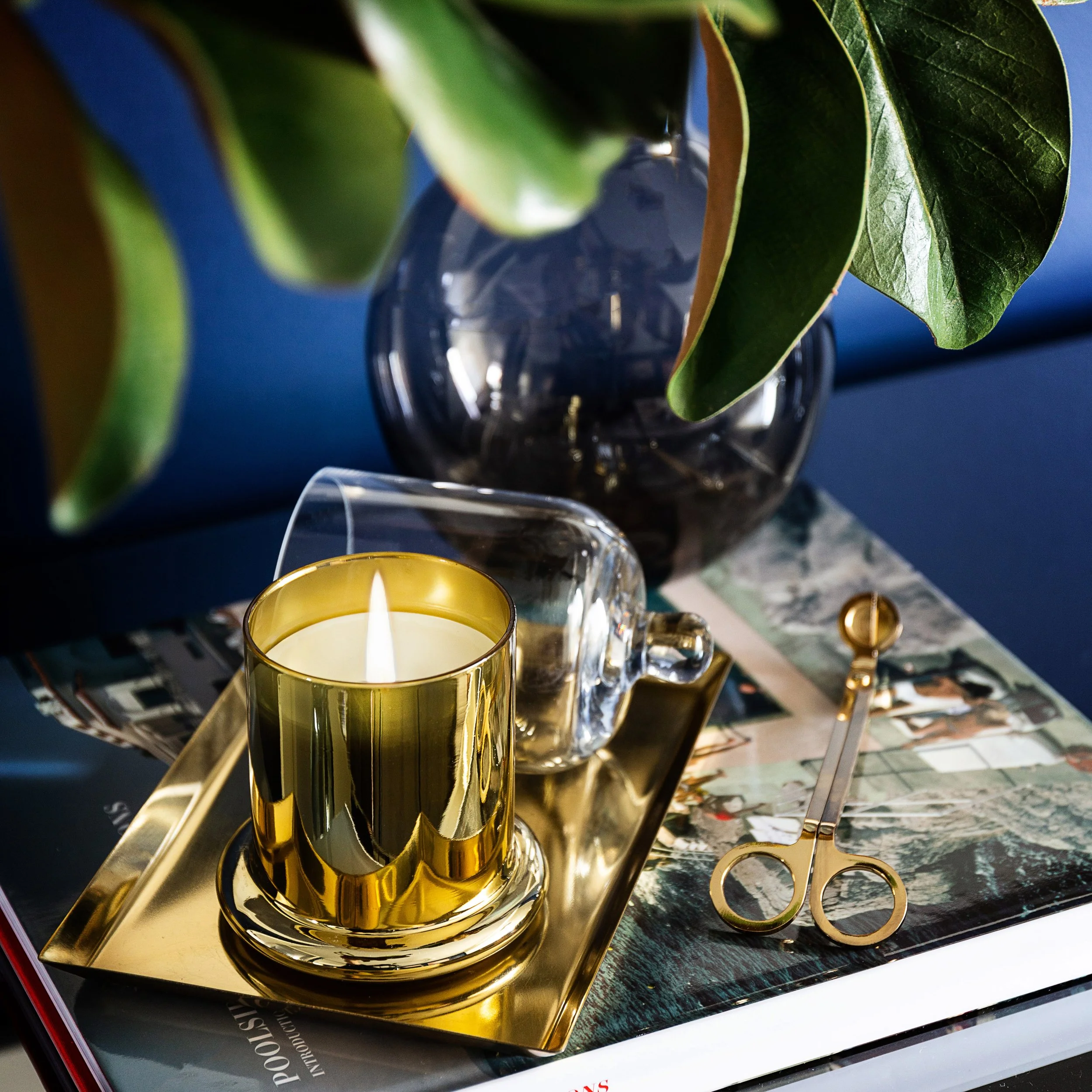
Cool your jets, I know what you’re thinking but this blog is about a much more important topic than, er, you know...
Buying your first apartment often comes with a quiet internal monologue that goes something like this:
“It’s not forever.”
“We’ll make do.”
“At least the location’s good.”
All true, perhaps but none of that inspires excitement in what is a really big life milestone. BUT! There are tips and tricks you can deploy which means your first home doesn’t have to feel like a holding pen while you wait for something better.
The Lygon Street apartment was just 48 square metres. Compact, inner-city, late-90s bones, tight budget. On paper, not exactly screaming dream home. But it became one of those projects that proves size is rarely the real issue. Decision-making is.
Location Over Size. Always.
For many first home buyers, the choice is brutal. More space further out, or less space where you current life (that you love) actually happens.
I’m firmly in the location over size camp. Being able to walk to your favourite bar, café, tram stop or gym pays you back every single day. The trick is making sure the apartment you buy feels like a considered choice, not a compromise you’re constantly apologising for.
That’s where good design earns its keep.
Big-Home Tricks That Work Even Better in Small Apartments.
One of the biggest mistakes people make in small apartments is thinking everything needs to be scaled down. It doesn’t.
At Lygon Street, and again at Apartment 1507 in the Forge Building in Docklands for Mirvac, we deliberately borrowed strategies more commonly used in larger homes.
Oversized artwork, for one. A single confident piece will always beat multiple small, nervous ones side eyeing each other. It anchors the room, adds personality and stops the space feeling cluttered. It’s also a very “designery” alternative to the feature wall. Which, let’s face it, can go horribly wrong, so very, very easily.
Yes, of course we considered the scale and placement of the furniture very carefully, and so should you. Fewer but stronger furniture pieces makes a difference. Too many small items make a room feel busy. Strong silhouettes with breathing room around them feel calmer and more intentional. And trust me, life gets pretty tedious if you’re constantly navigating delicately around the couch like you’re in Mission Impossible.
Lighting was treated like a gallery rather than a functional 7-Eleven vibe. Instead of flooding the space with ghastly overhead light, we focused illumination onto artwork and key moments. The result feels closer to a chic hotel or gallery than a doctor’s office.
Dark Paint. Yes, Even in Small Apartments.
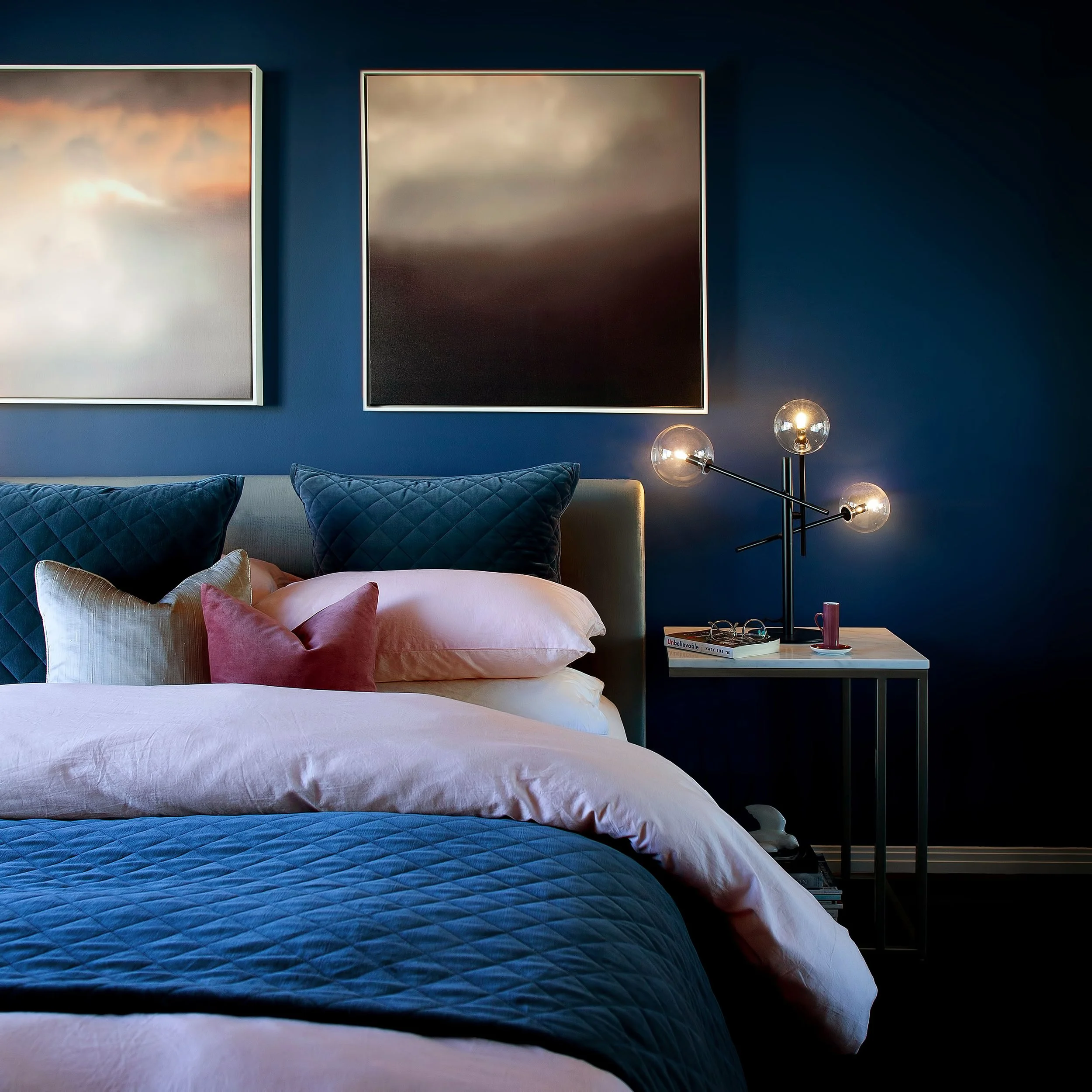
Here’s my slightly polarising opinion, and excellent rage bait. No, painting a room (big or small) a dark colour will not make it feel smaller. It will, however, bring a sense of cosiness and a little drama.
In the Lygon Street apartment, darker tones were used in the bedroom and euro laundry to create intimacy and definition. Instead of fighting the apartment’s size, those spaces leaned into mood and luxury. The lighter, largely monochromatic palette in the living areas then felt brighter and more expansive by contrast.
Don’t believe me? The colour-drenched euro laundry, where even the joinery was painted to match the walls, measured barely 2 x 1.5 metres. About as small as it gets. Yet it became a surprisingly magnificent transitional vestibule between the main living area and the bathroom.
Design isn’t about making every room feel bigger. It’s about making each room feel right.
Good Design Isn’t About Spending More.
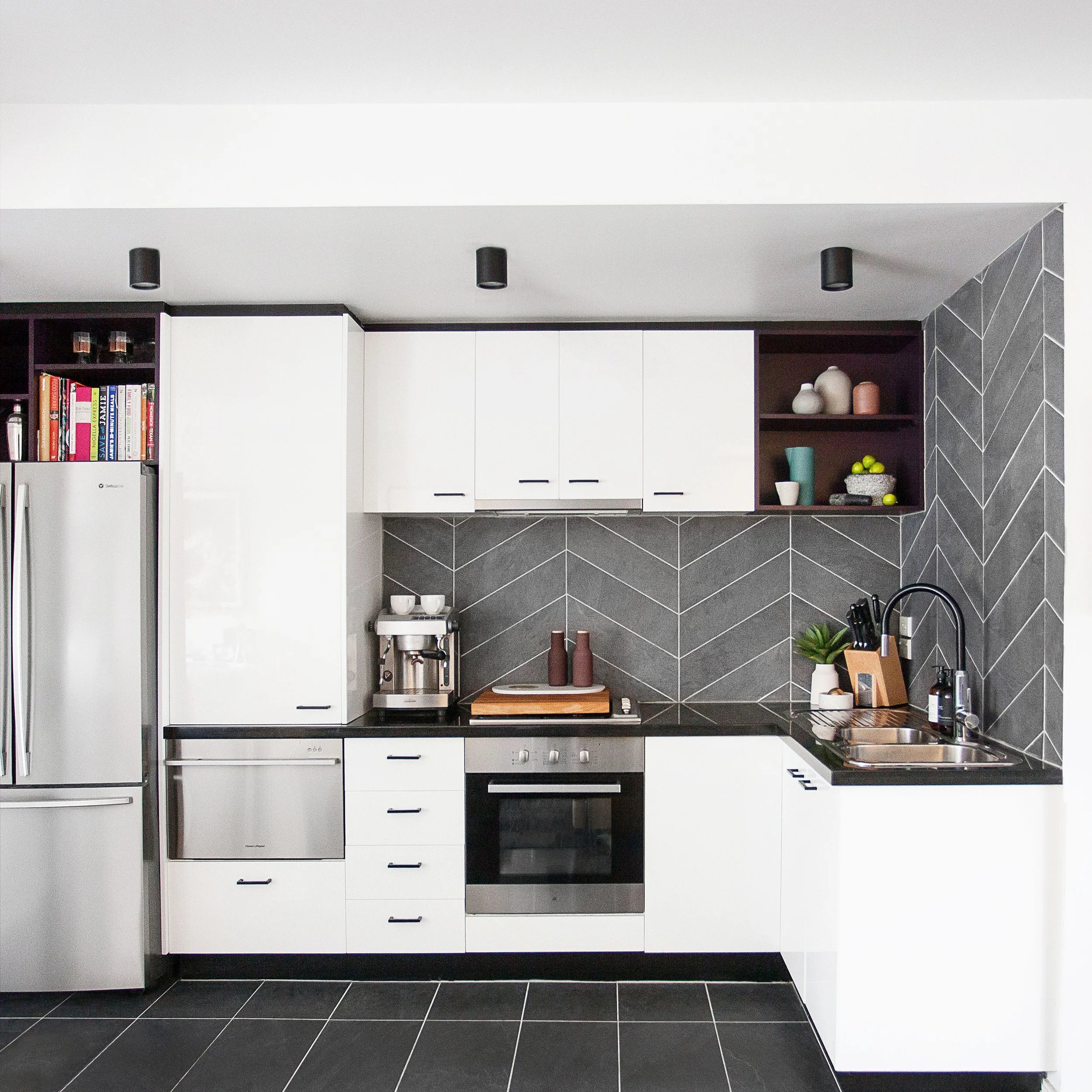
This project worked because we didn’t rip everything out for the sake of it.
We kept the existing stone benchtops (and yep, they were the original 1990’s CaesarStone offering), kept some of the plum coloured kitchen joinery as a cheeky feature and replaced the rest with a fresh new gloss white vinyl wrap and refinished the original hardwood flooring. The budget went where it mattered most. Finishes, lighting, artwork, and styling.
Good design isn’t about spending more. It’s about knowing where not to spend.
Things No One Warns You About When Renovating an Apartment.
Designing an apartment isn’t just about finishes and furniture. There are a few realities worth knowing upfront.
First up. Body Corp….Gosh I wish I could drop the “Dramatic Cat” meme in here right now…
If you’re planning even light construction like tiling, flooring or sanding, get friendly early. That person who seems mildly power-trippy but overall harmless at the AGM can become a nightmare, making life deeply unpleasant.
Sound travels in concrete buildings in ways that defy logic. A sander at the opposite end of the building, 20 floors up can somehow sound like it’s operating directly in your living room. This is an excellent way to make enemies very quickly.
My professional advice? Buy a few boxes of Roses chocolates. Introduce yourself. Let neighbours know what’s happening and for how long. Be the most considerate resident imaginable….At least until the project is finished, then you can happily go back to arguing over the recycling bins.
Having Body Corp across your plans can also be useful if you are doing something more involved like a kitchen or bathroom as there may be rules and regulations you inadvertently agreed to when buying the property. You’d rather be across all of that before you begin rather than lying awake at night waiting for the building police to knock on your door.
Body corporate can also be surprisingly useful when it comes to managing the less glamorous logistics of apartment renovations, particularly in high-rise and CBD buildings. Coordinating lift access and temporary parking for trades can make a significant difference. Nothing tests neighbourly goodwill faster than slow lifts at 8am on a Monday morning filled with sweaty tradies and construction gear. A bit of forward planning with body corporate can save time, frustration and frosty glares at the next building Christmas party.
The Takeaway…
A well-designed small apartment feels intentional, not temporary. It reflects your personality, supports how you actually live, and makes you feel good about choosing location over a spare bedroom you’ll never use.
The Lygon Street apartment and Apartment 1507 both prove the same thing. Size doesn’t determine quality. Design decisions do.
And if your front door happens to be five minutes from your favourite bar, that’s not a compromise. #winning.