

When did we all agree plain white walls were the best way forward for humanity?
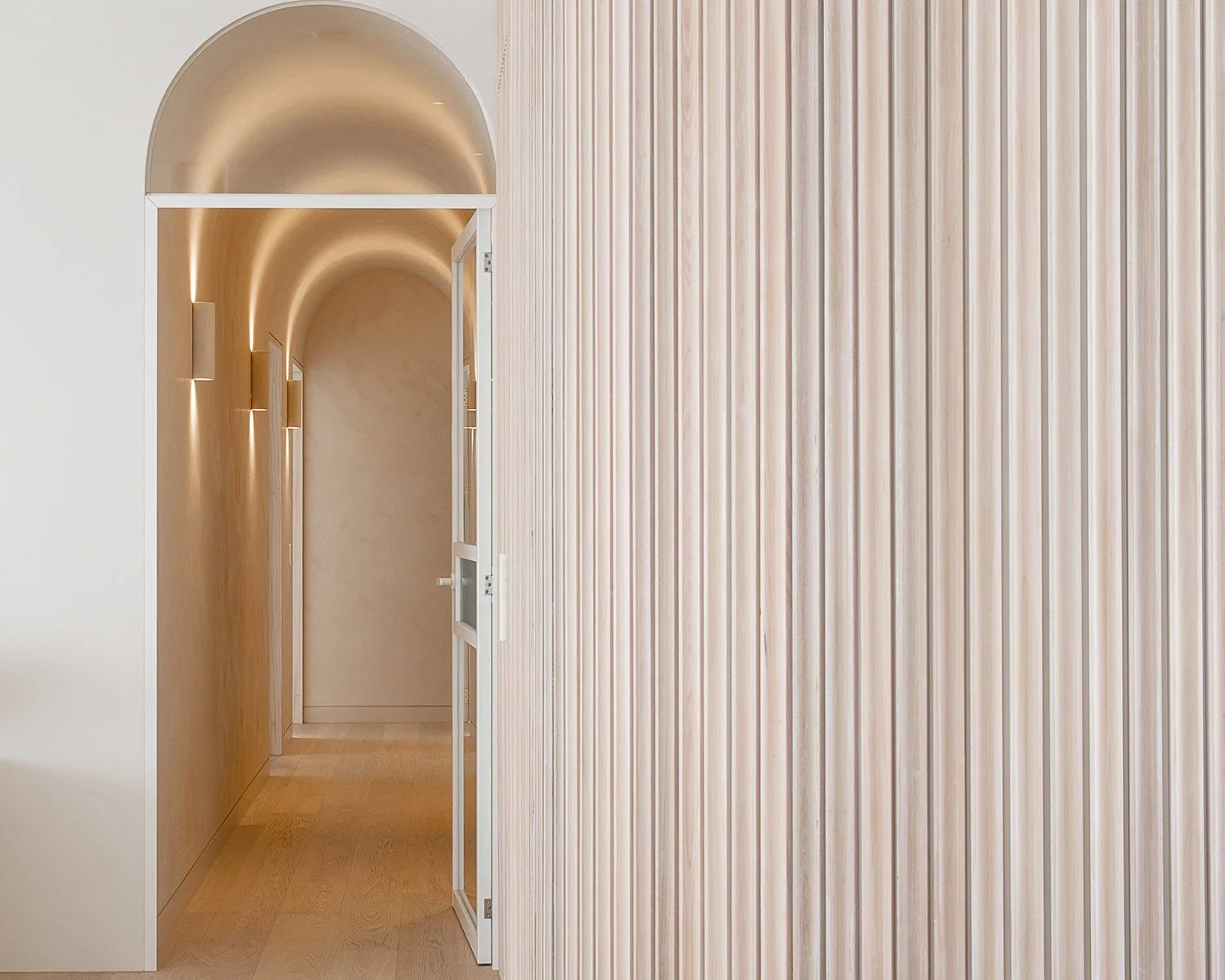
A softly arched hallway lined with fluted timber wall panelling and warm timber flooring, creating a calm, sculptural passage with subtle integrated lighting and a refined, contemporary feel.
Explain to me exactly when everyone decided white plaster walls were the best way forward for humanity.
It doesn’t feel like that long ago that a plain white wall was reserved for very specific places. Dentist waiting rooms. Temporary site offices. I could go on but you get the drift, anywhere super boring and unappealing.
And yet here we are. Entire homes wrapped in flat white like badly lit galleries, with anything more decorative treated as a bold personal choice.
Which is ironic, because for most of human history walls were anything but plain. They were painted, papered, panelled, tiled and fussed over. Even post-war, when resources were scarce, enormous effort went into paint applications designed to replicate wallpaper, because humans clearly do not thrive inside blank boxes.
Then came the white wall pandemic and life lost it’s meaning.
Why wall treatments matter
Walls take up more visual real estate than almost anything else in your home. Ignore them and a space feels unfinished. Treat them well and the entire room lifts.
Wall treatments can:
Add warmth and depth without adding furniture
Improve acoustics (yes, really)
Create hierarchy in open-plan homes
Instantly elevate a space from meh to Maaaattteeee (in the best way possible)
This isn’t about doing more. It’s about doing the right thing in the right place.
Wall treatments worth knowing about
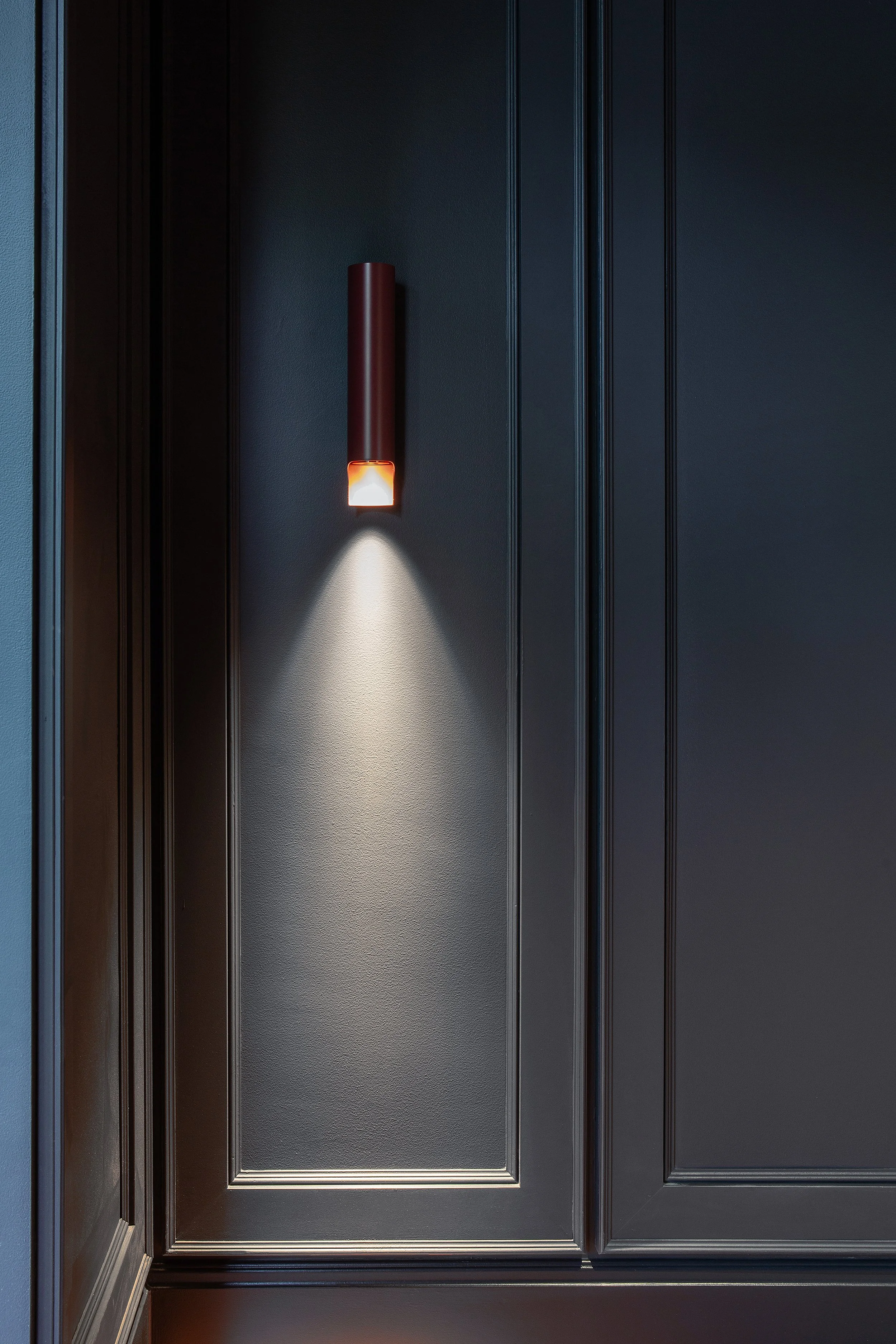
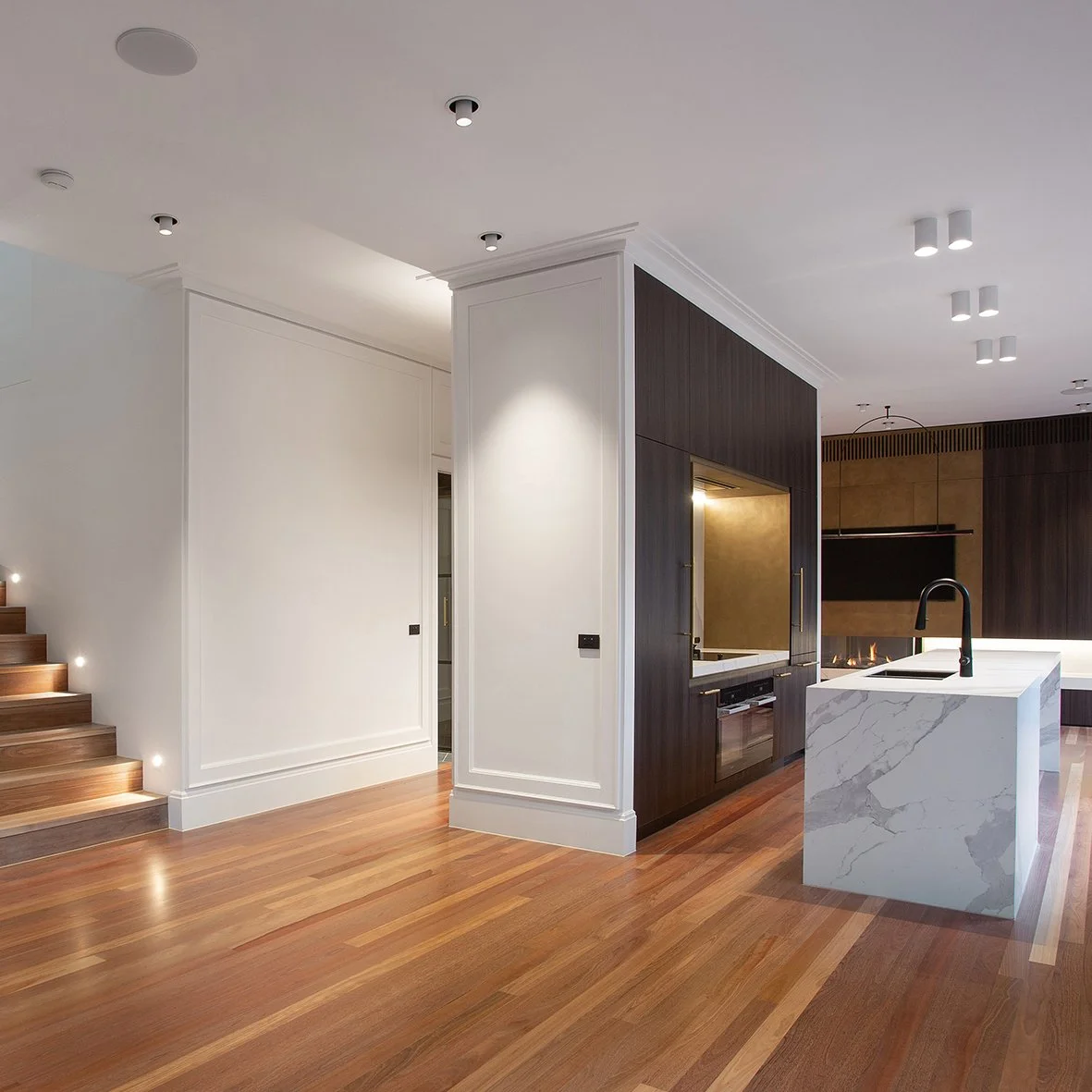
Wainscoting
Classic, timeless and far more flexible and modern than people think.
Wainscoting works beautifully in entry halls, dining rooms, staircases and bedrooms that need a bit of structure. Painted to blend with the wall it feels architectural. Taken darker, it adds drama without shouting.
It’s one of the easiest ways to make a home feel layered and intentional.
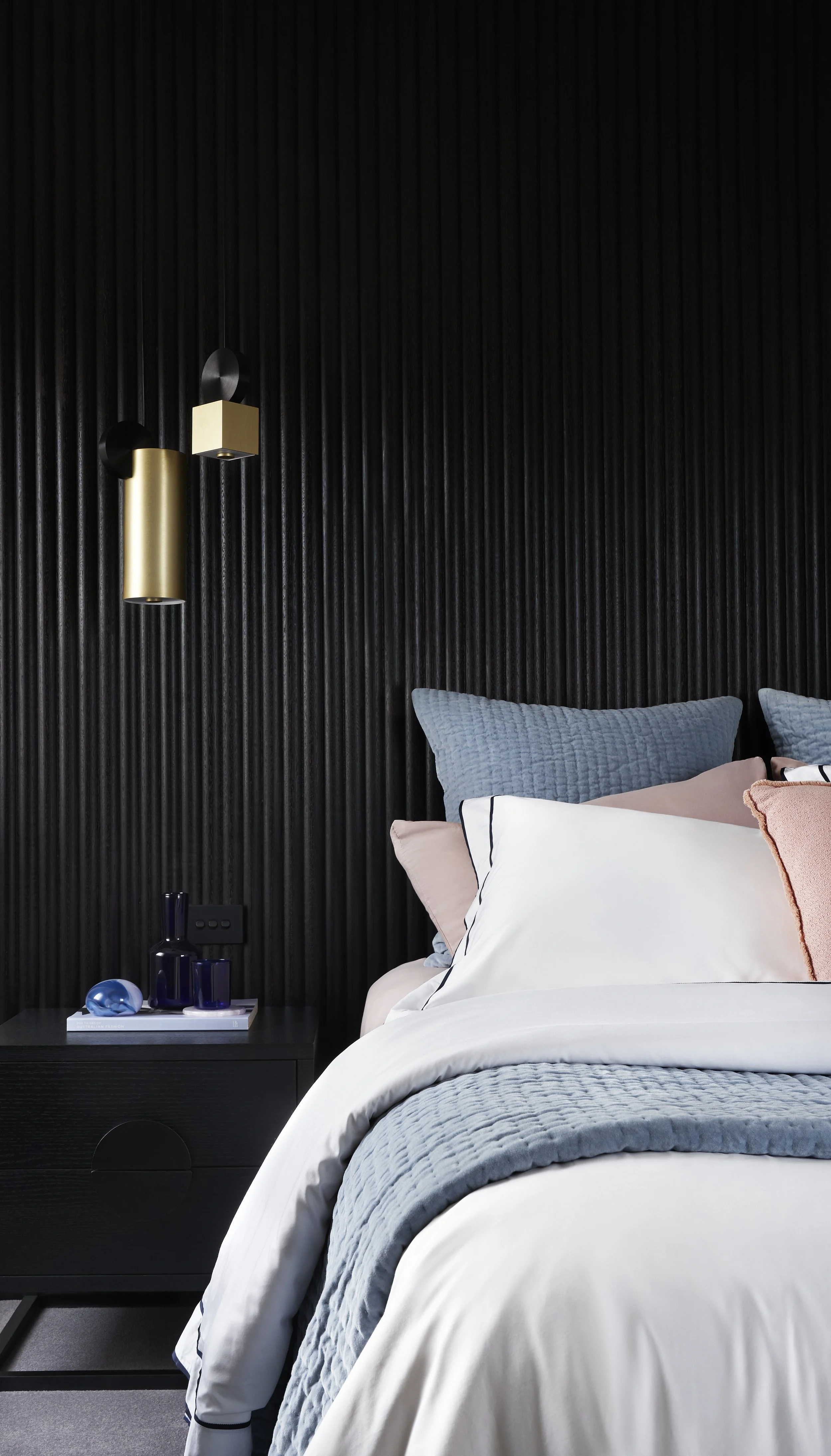
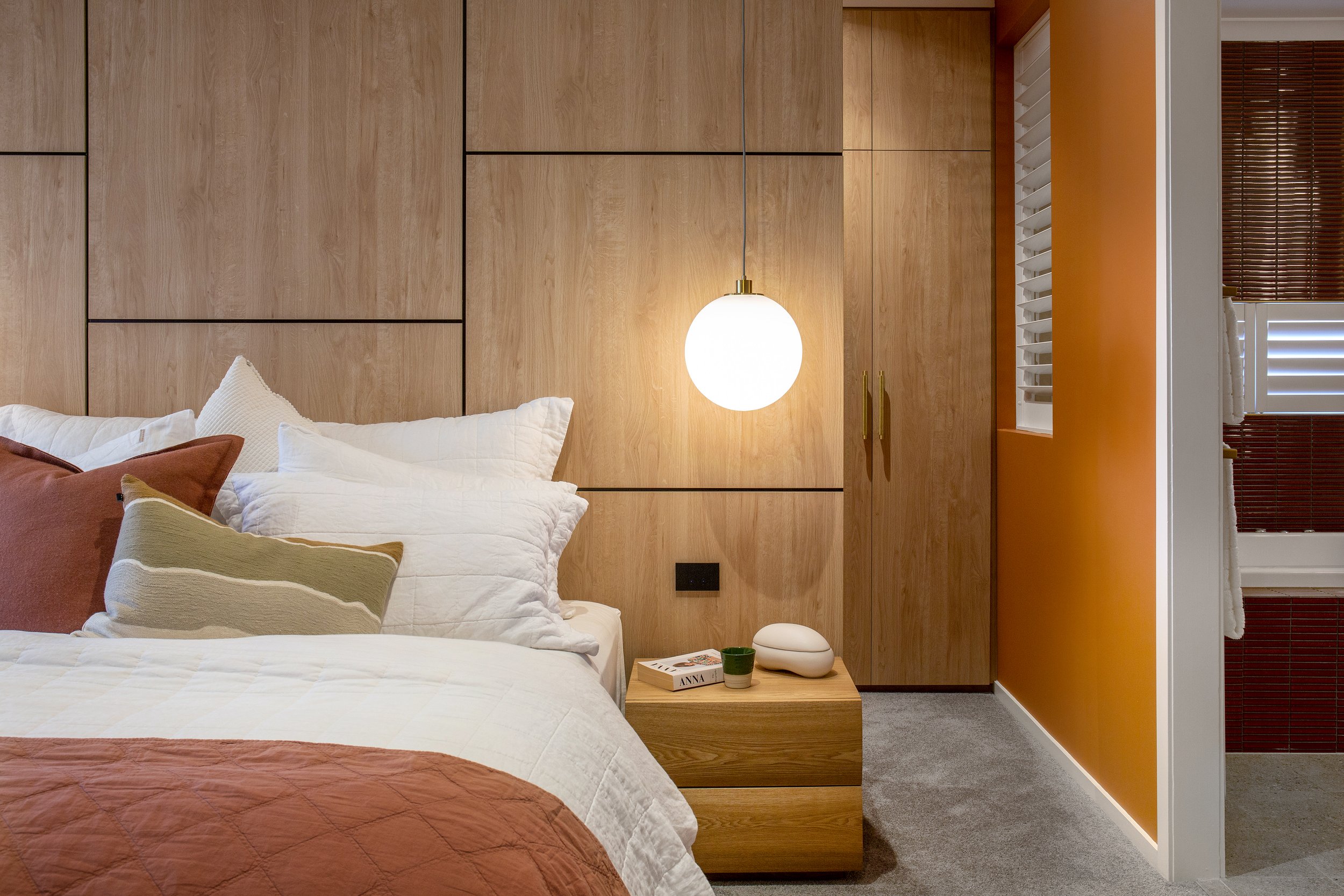
Timber veneer panelling
Warm, calm and quietly luxurious.
Timber veneer panelling is ideal for living rooms, studies, media rooms and main bedrooms. It adds texture and warmth without visual noise, which is why it works so well in contemporary homes.
The key is restraint. One or two walls, not a timber sauna or 1970’s caravan.
Brick face and tiled walls
Textural, honest and full of character.
Brick face walls and decorative tiles are perfect for kitchens, fireplaces, entry halls and feature walls that need durability and personality. Bonus points for materials that age gracefully rather than trying to stay perfect forever.
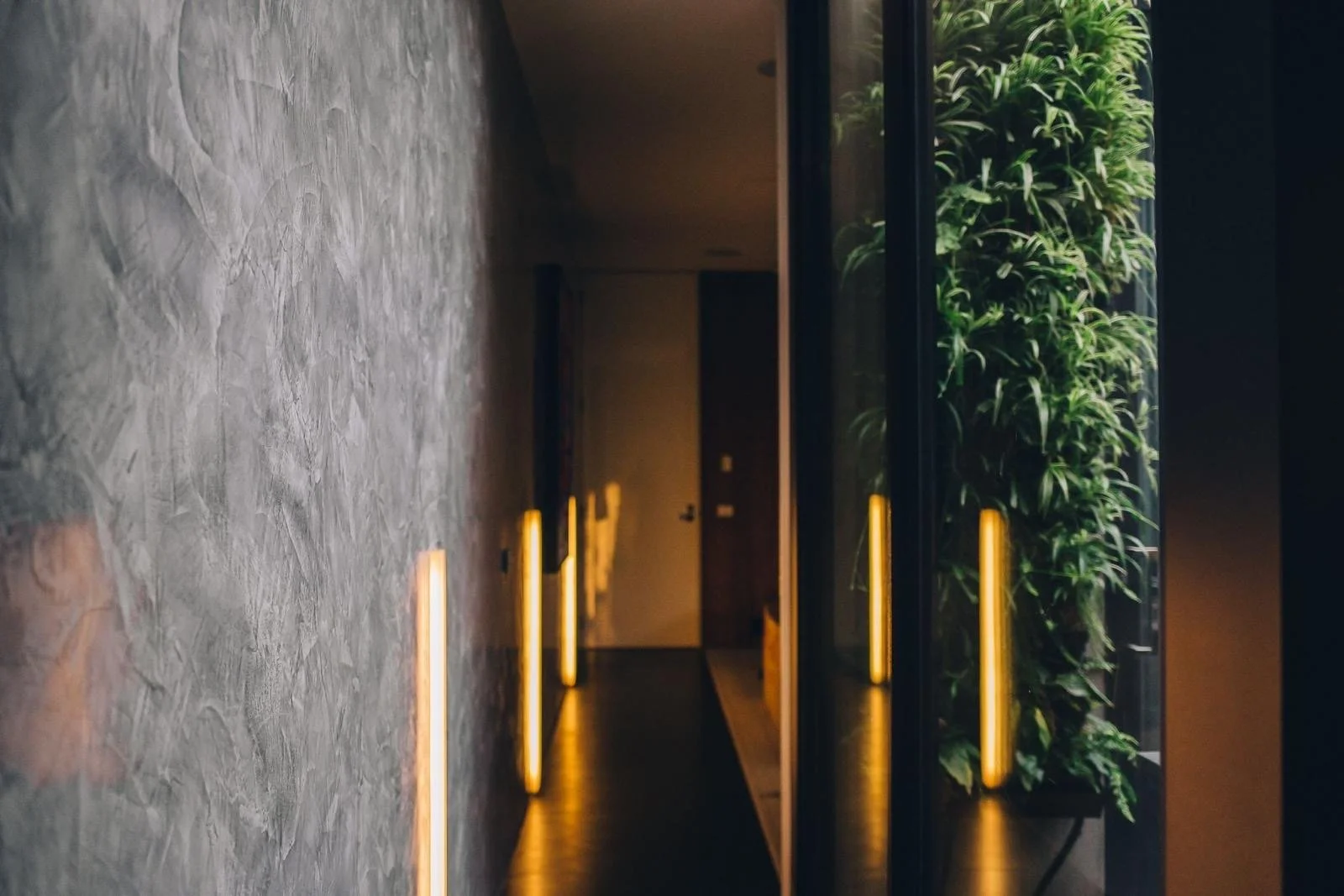
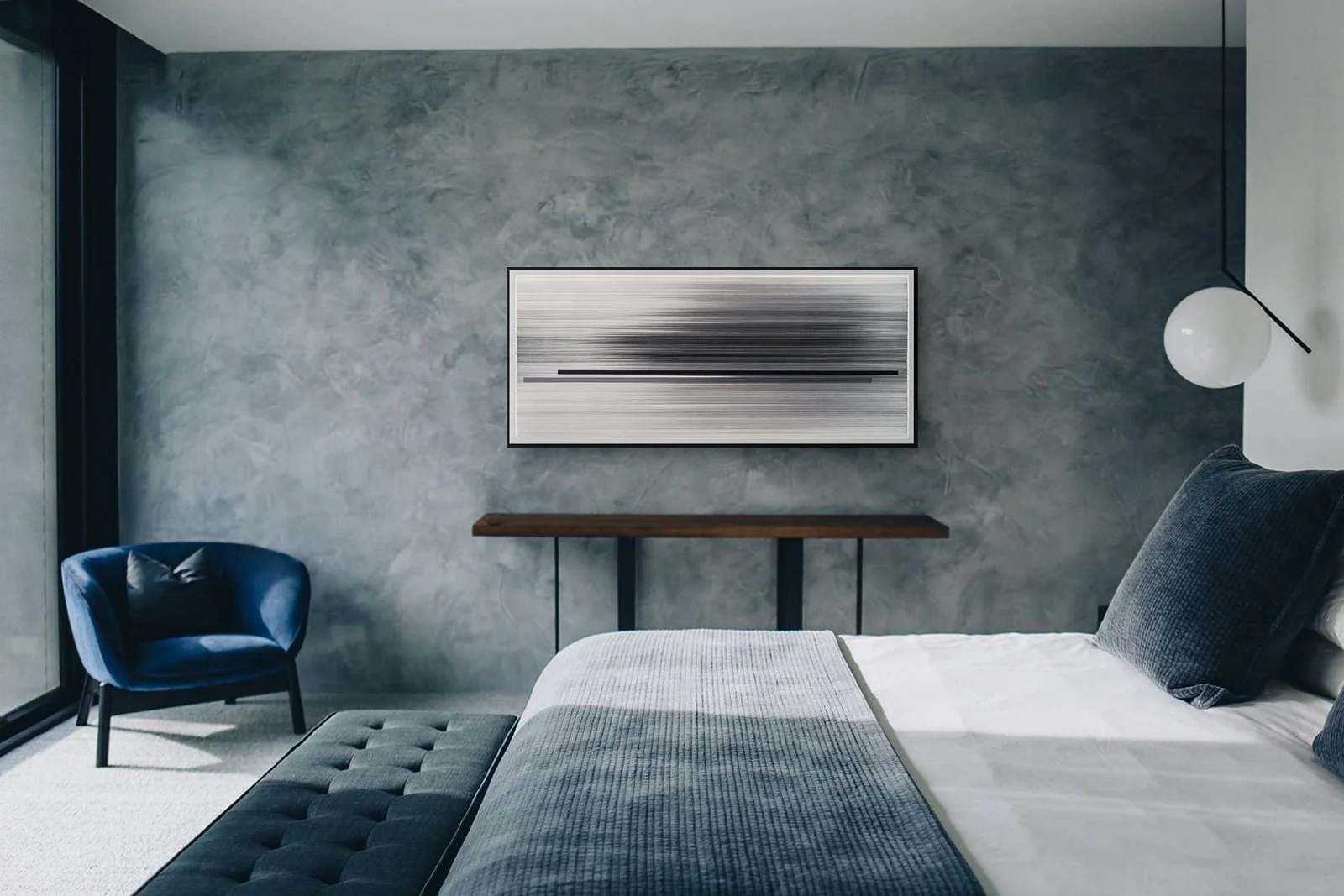
Microcement and Venetian plaster
Smooth, tactile and very now.
Microcement and Venetian plaster sit in the same family. Seamless, textural finishes that add depth without pattern. They’re ideal when you want subtle movement and softness rather than something decorative.
They work beautifully in bathrooms, kitchens and modern living spaces, but they’re not forgiving. Application, lighting and trades matter. This is not a DIY “give it a crack” situation unless you enjoy living with regrets.
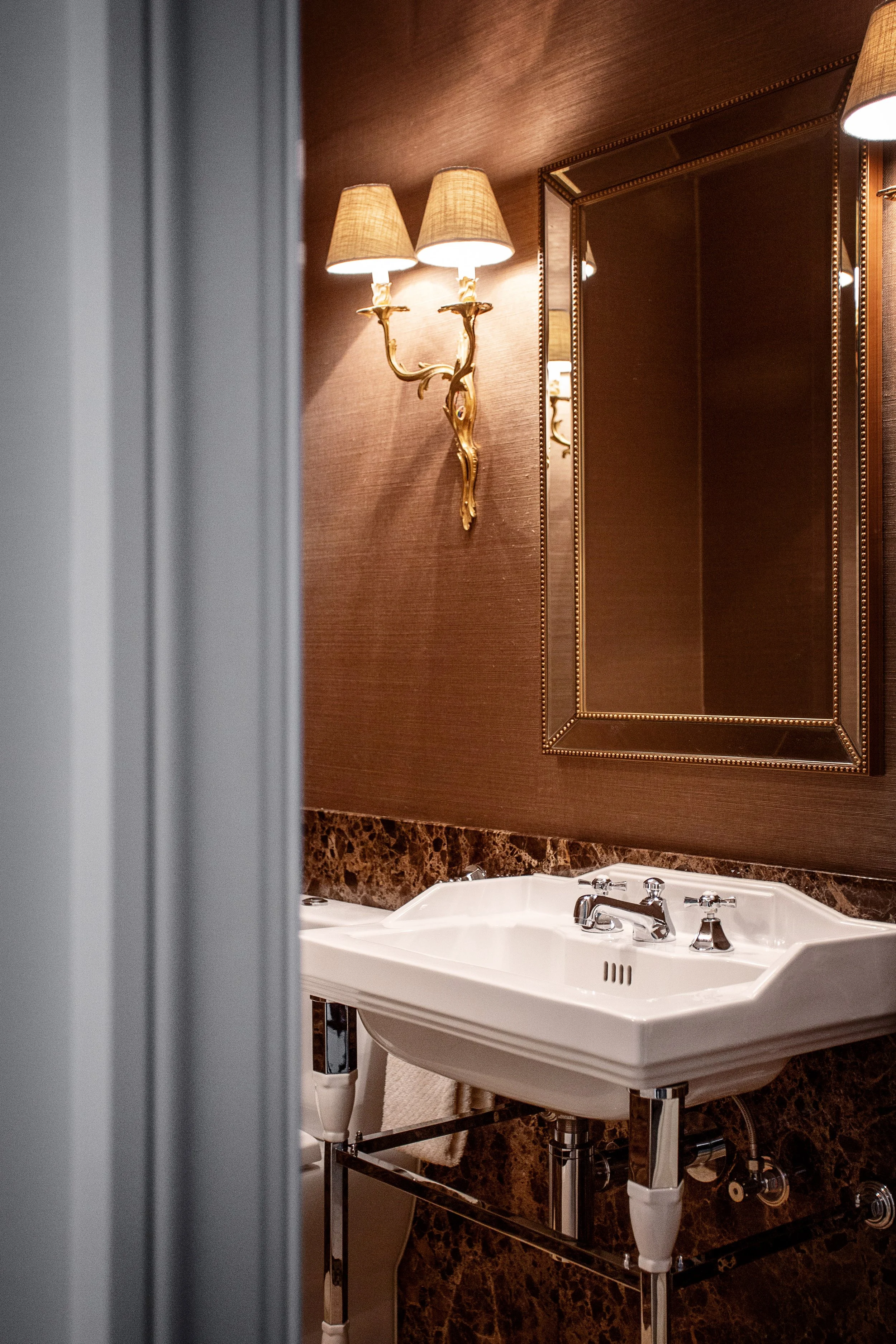
Wallpaper
Yes, wallpaper. Everyone relax.
Modern wallpaper can be textured, graphic, restrained or quietly dramatic. It’s particularly effective in bedrooms, powder rooms, studies and dining rooms, where a single wall can do all the heavy lifting.
Used thoughtfully, it adds depth and personality that paint simply can’t.
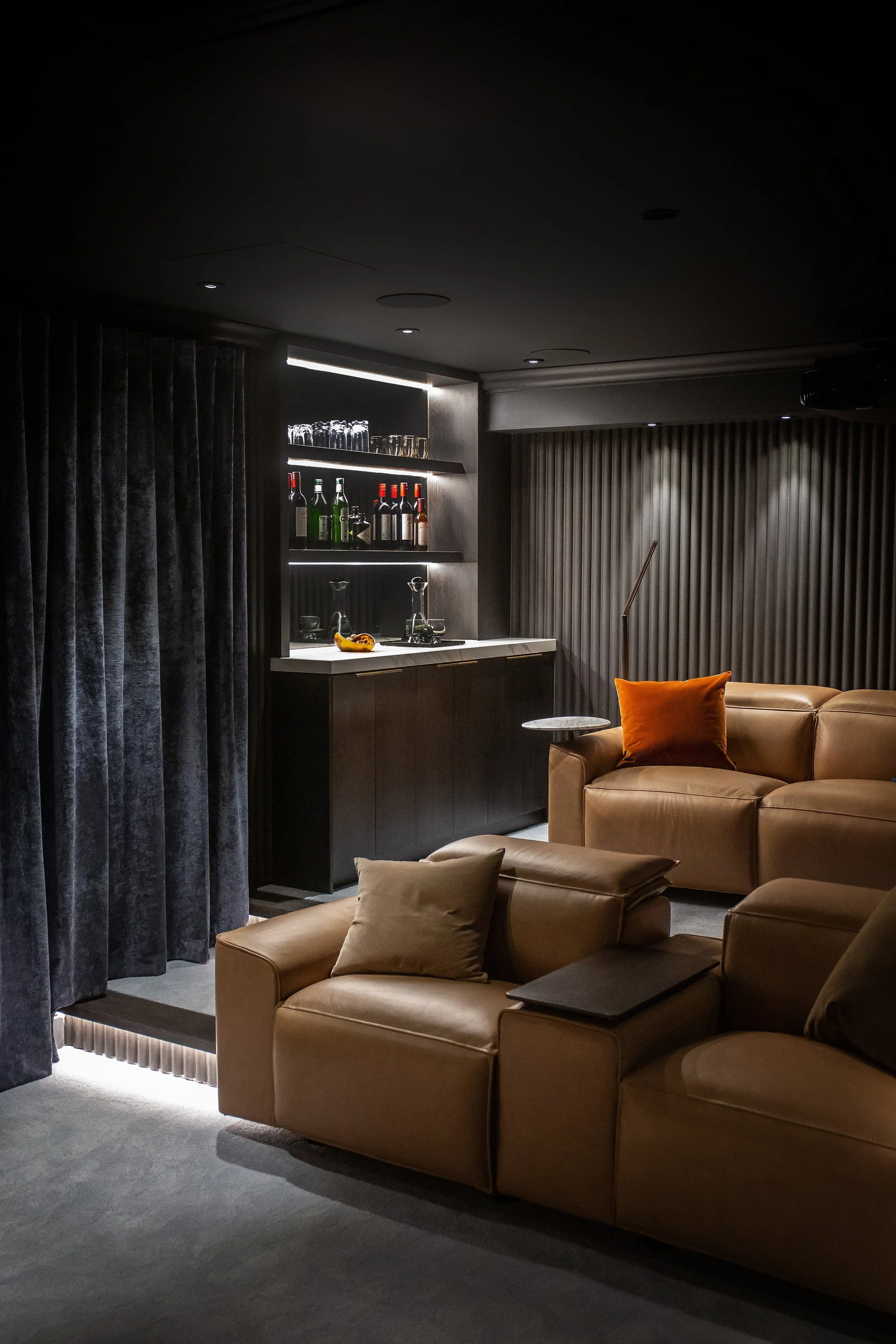
Fabric-lined and upholstered walls
Yes, fabric. On walls. Just breathe and let me explain...
Fabric-lined walls, drapery-wrapped walls and fully upholstered panels are brilliant in spaces where comfort, acoustics and mood matter more than durability. Think:
Bedrooms
Cinemas
Studies
Quiet retreat spaces
They soften sound, add warmth and instantly make a room feel cocooning and luxurious. Full-height drapery can turn a plain wall into something architectural, while upholstered panels bring hotel-level comfort at home.
Are they practical everywhere? No. Are they spectacular in the right room? Absolutely.
Choosing the right wall treatment
A few designer rules that rarely fail:
Let the architecture lead
Consider light before texture
Think about durability and touch
Pick your moments rather than doing everything
One strong wall treatment will always outperform five lame ones but beware of the 90’s feature scenario…
Final thoughts
This isn’t an argument against white walls. It’s an argument against default decisions.
Wall treatments aren’t decoration for decoration’s sake. They’re about depth, comfort and homes that feel considered rather than copied.
If you’re not sure where to start, that’s where I come in. Explore some of my completed projects to see how wall treatments work in real homes, or get in touch if you’d like help choosing something that feels right without the day after regret.